Is Healthy Fat Loss Without Exercise a Myth or a Reality?
For many, the idea of shedding unwanted fat without sweating it out at the gym seems too good to be true. Conventional wisdom often dictates that intense exercise is a non-negotiable component of any effective weight loss strategy. However, scientific understanding, particularly in the realm of nutritional science, is constantly evolving, revealing that while exercise offers immense health benefits, it's not the sole determinant of fat loss.
This article, guided by the latest research, will explore how you can achieve significant and sustainable fat loss by focusing on smart dietary choices, strategic lifestyle adjustments, and the intelligent integration of natural supplements. We'll delve into the mechanisms of fat metabolism and offer a comprehensive guide to help you attain your weight goals, even if high-intensity workouts aren't part of your routine. The journey to a healthier you can begin with informed choices that empower your body to burn fat efficiently.
Understanding the Science of Fat Loss Beyond the Treadmill
Before we dive into actionable strategies, it's crucial to grasp the fundamental principles governing fat loss. It's not just about "calories in, calories out," but rather a complex interplay of diet, hormones, metabolism, and lifestyle factors.
At its core, fat loss occurs when your body expends more calories than it consumes, leading to a state known as a caloric deficit. While exercise significantly contributes to calorie expenditure, dietary adjustments play an even more dominant role in creating this deficit. Think of it this way: it's far easier to cut 500 calories from your diet than it is to burn 500 calories through exercise, which might require an hour or more of moderate activity.
Your metabolism, the process by which your body converts food into energy, is another critical player. Your Basal Metabolic Rate (BMR) represents the calories your body burns at rest just to maintain basic functions like breathing and circulation. Factors like age, genetics, body composition (muscle burns more calories than fat), and certain medical conditions can influence your BMR. A healthy diet and specific nutrients can help optimize your metabolism, making your body a more efficient fat-burning machine. This is where a targeted metabolism and appetite support formula can be particularly beneficial.
Hormones also wield immense power over fat storage and release. Insulin, leptin, ghrelin, and cortisol are just a few examples that dictate your hunger, satiety, and how your body decides to store fat, particularly around the midsection. Chronic stress, poor sleep, and a diet high in refined sugars can disrupt these delicate hormonal balances, making fat loss a challenging uphill battle. Understanding these mechanisms is the first step towards an effective, exercise-free fat loss strategy.
💡 Key Takeaway
Fat loss fundamentally relies on a caloric deficit, which is primarily influenced by diet. Metabolism and hormonal balance play crucial roles, often more significant than exercise in creating the right conditions for your body to burn stored fat. Strategic dietary and lifestyle changes can optimize these internal processes.
The Diet Approach: Fueling Fat Loss Without the Gym
Your plate is your most powerful tool for non-exercise fat loss. By making informed food choices, you can naturally reduce calorie intake, boost satiety, and optimize your body's fat-burning capabilities.
Prioritize Whole, Unprocessed Foods
Shift your focus to foods in their most natural state. This means plenty of fresh fruits, vegetables, lean proteins (chicken, fish, legumes), and healthy fats (avocado, nuts, seeds). These foods are nutrient-dense, fiber-rich, and generally lower in calories compared to their processed counterparts, helping you feel fuller for longer.
Emphasize Protein at Every Meal
Protein is king for fat loss. It has a higher thermic effect of food (TEF), meaning your body burns more calories digesting it. More importantly, protein is incredibly satiating, reducing hunger pangs and preventing overeating. Aim for 20-30 grams of protein per meal to support muscle preservation and keep you full.
Load Up on Fiber
Fiber, found in vegetables, fruits, whole grains, and legumes, is your ally. It adds bulk to your meals without adding significant calories, promoting satiety and aiding digestion. Soluble fiber, in particular, forms a gel-like substance in your gut, slowing digestion and nutrient absorption, which can help regulate blood sugar and curb appetite.
Don't Fear Healthy Fats
While fats are calorie-dense, healthy fats from sources like avocados, olive oil, nuts, and fatty fish are essential for hormone production and satiety. They help slow down digestion, keeping you feeling satisfied and preventing cravings for unhealthy snacks. Incorporate them in moderation to support overall health and fat loss.
Eliminate Sugary Drinks and Processed Snacks
Liquid calories from sodas, juices, and sweetened coffees are notorious for adding calories without providing satiety. Similarly, processed snacks are often high in unhealthy fats, sugar, and refined carbohydrates, which can trigger cravings and lead to overconsumption. Cutting these out is one of the quickest ways to create a caloric deficit.
Practice Mindful Eating and Portion Control
Pay attention to your hunger and fullness cues. Eat slowly, savor your food, and put down your fork between bites. Using smaller plates can also help manage portion sizes. Mindful eating helps you recognize when you're truly satisfied, preventing the mindless overeating that often sabotages fat loss efforts.
Lifestyle Adjustments: Beyond Diet and Exercise
While diet is paramount, several non-exercise lifestyle factors significantly impact your body's ability to shed fat. Integrating these habits can create a powerful synergy for effective weight management.
1. Prioritize Quality Sleep: Sleep is often underestimated in its role in weight management. Insufficient sleep (less than 7-8 hours) disrupts hormones like leptin (satiety hormone) and ghrelin (hunger hormone), leading to increased appetite and cravings for high-calorie foods. It also elevates cortisol, the stress hormone, which can promote fat storage, especially around the abdomen. Aim for consistent, restorative sleep to keep your hormones balanced and your body in a fat-burning state.
2. Manage Stress Effectively: Chronic stress is a silent enemy of fat loss. When stressed, your body releases cortisol, which, as mentioned, can lead to increased appetite and preferential fat storage. Find healthy ways to manage stress, such as meditation, yoga, deep breathing exercises, spending time in nature, or engaging in hobbies you enjoy. Reducing stress not only aids fat loss but also improves overall well-being.
3. Increase Non-Exercise Activity Thermogenesis (NEAT): NEAT refers to the energy expended for everything we do that is not sleeping, eating, or sports-like exercise. This includes walking to work, typing, gardening, fidgeting, and even standing. While individual activities may seem small, their cumulative effect throughout the day can be substantial. Look for opportunities to move more: take the stairs, park further away, stand while working, or take short walking breaks. These small movements can significantly contribute to your daily calorie expenditure without formal exercise.
4. Optimize Gut Health: Emerging research highlights the profound connection between gut microbiome health and weight. A balanced gut flora can influence metabolism, inflammation, and even appetite. Incorporate probiotic-rich foods (yogurt, kefir, sauerkraut) and prebiotic fibers (garlic, onions, asparagus) into your diet to support a healthy gut. A thriving gut microbiome can make your body more efficient at extracting nutrients and managing weight.
By consciously integrating these lifestyle adjustments, you create an environment where your body is naturally more inclined to release stored fat, even without a rigorous exercise regimen. They complement your dietary efforts and lay the foundation for sustainable, long-term healthy fat loss.
The Role of Supplements in a Non-Exercise Fat Loss Strategy
While diet and lifestyle are the cornerstones, natural supplements can act as powerful catalysts, optimizing your body's internal mechanisms for fat loss. They are not magic pills but targeted aids that can enhance your efforts when used correctly.
Metabolism Boosters
Certain natural ingredients can gently stimulate your metabolism, helping your body burn more calories at rest. This can be particularly beneficial for individuals with a naturally slower metabolic rate, giving them an edge in creating a caloric deficit.
Appetite Suppressants
One of the biggest challenges in fat loss is managing hunger and cravings. Supplements designed for appetite control can help you feel fuller for longer, reduce snacking, and make it easier to adhere to a reduced-calorie diet. This is a key component of natural appetite control supplement strategies.
Fat Oxidation Enhancers
Some ingredients can encourage your body to preferentially use stored fat for energy. This process, known as fat oxidation, is crucial for truly losing fat mass rather than just overall weight. They can help unlock stubborn fat stores.
Energy & Mood Support
When you reduce calorie intake, you might experience dips in energy or mood. Certain supplements can provide a gentle energy boost without jitters and support a positive mood, making the fat loss journey more manageable and enjoyable.
It's important to choose supplements that are backed by science, use natural ingredients, and come from reputable sources. Always read labels, understand the ingredients, and consult with a healthcare professional before starting any new supplement regimen, especially if you have underlying health conditions or are taking medication.
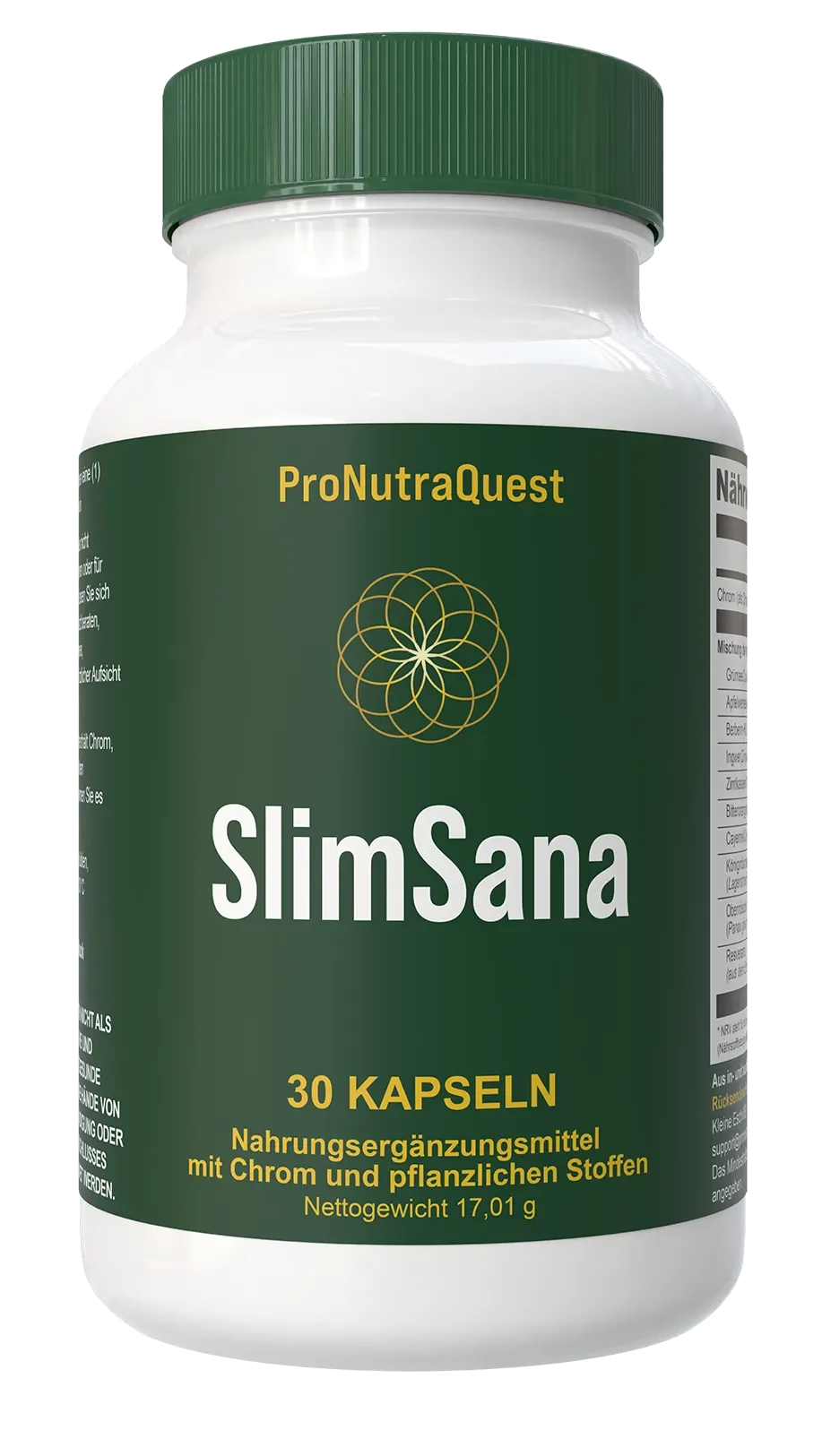
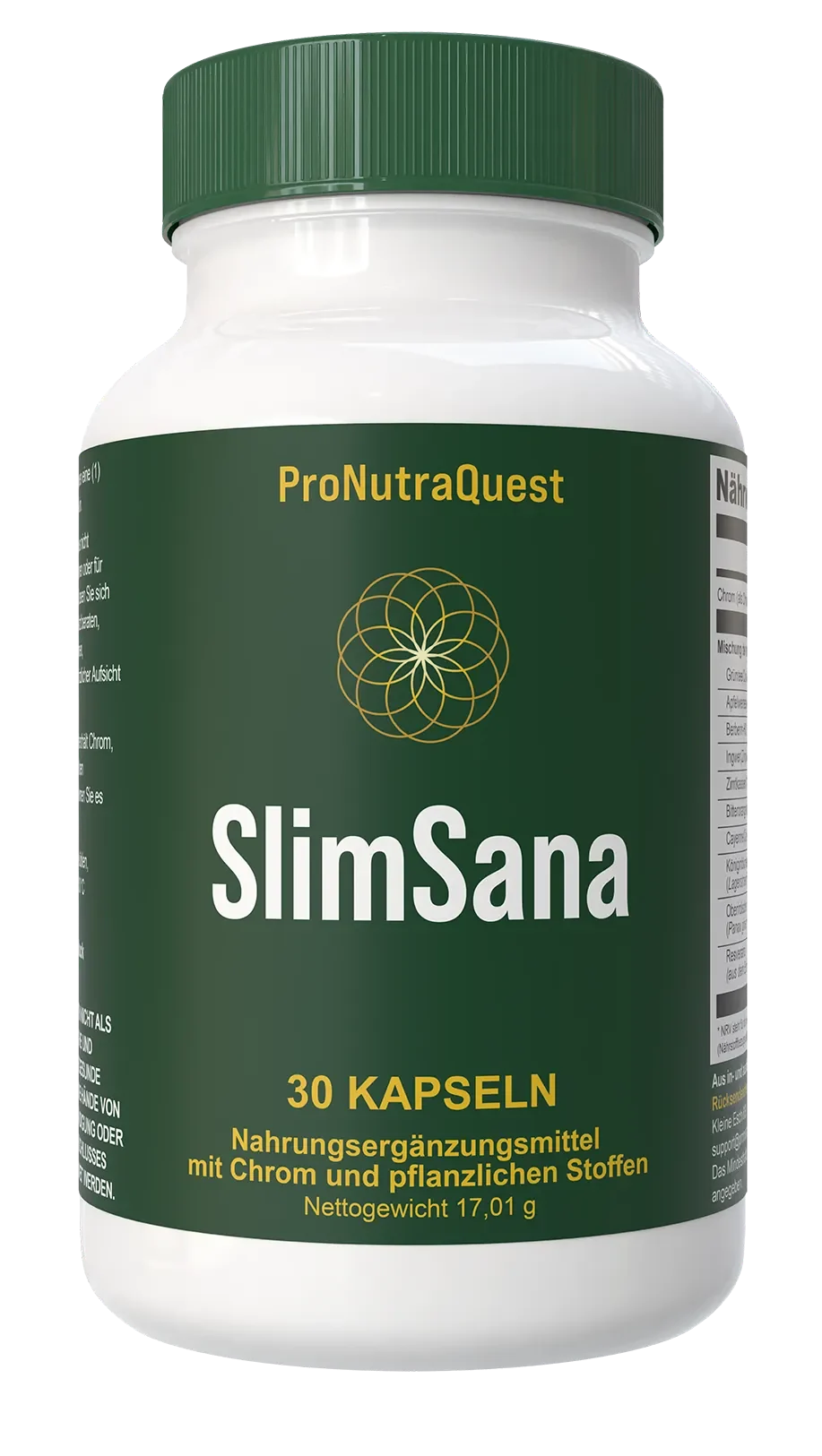
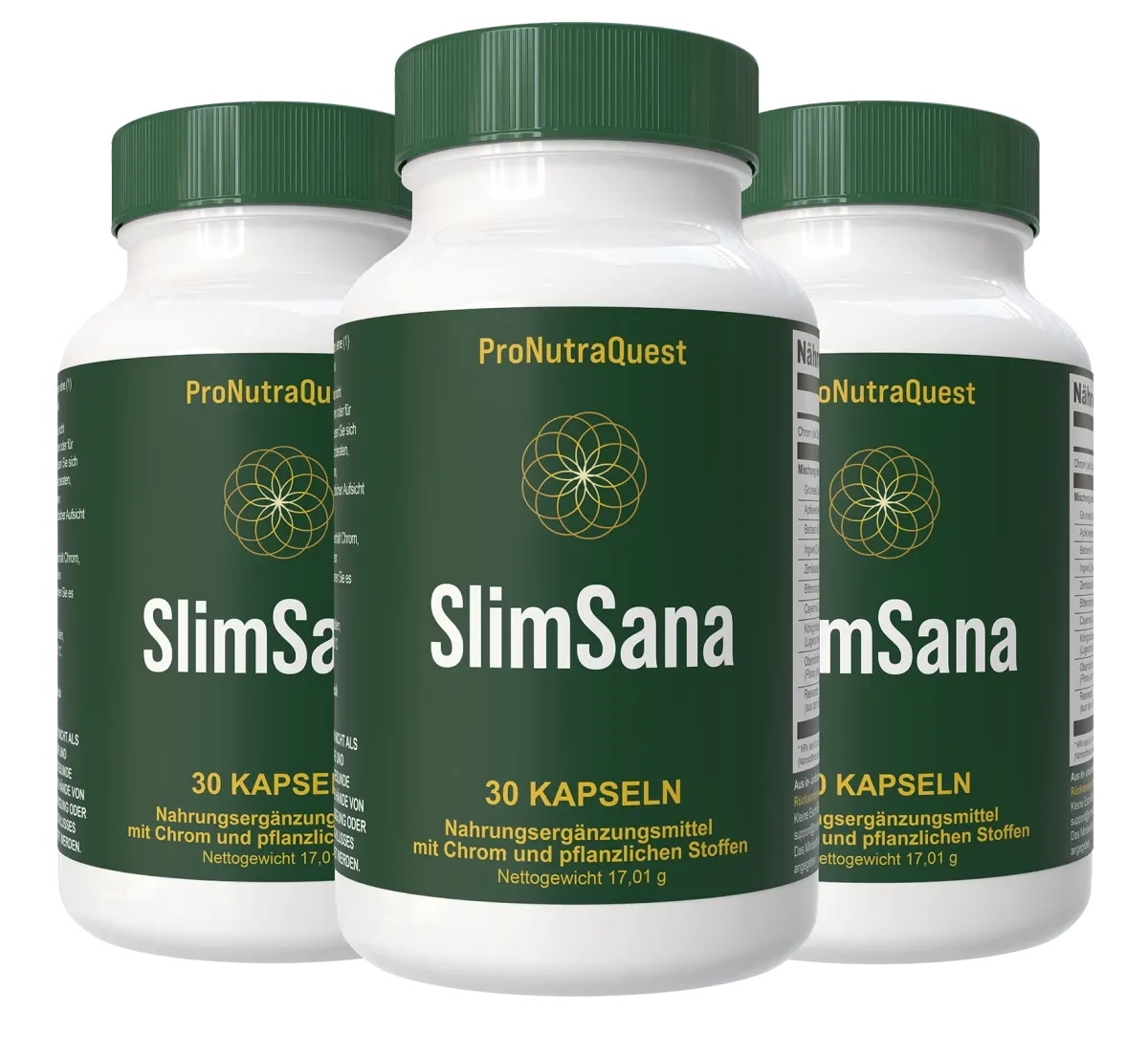
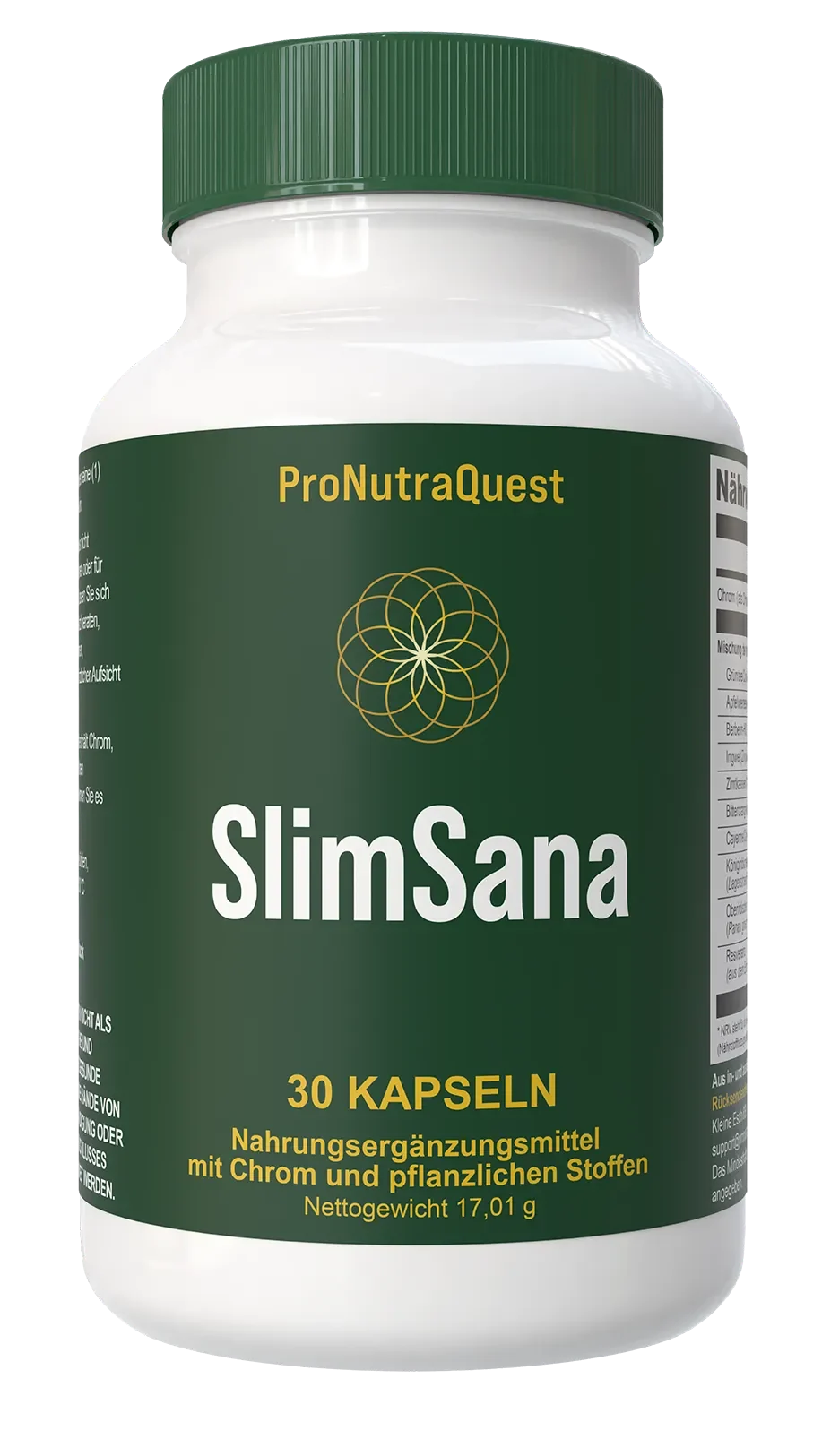
Introducing SlimSana: A Natural Approach to Support Healthy Fat Loss
In the pursuit of healthy fat loss without exercise, a well-formulated natural supplement can provide crucial support. SlimSana is designed to work synergistically with your dietary and lifestyle changes, targeting multiple pathways involved in weight management.
SlimSana focuses on a blend of natural ingredients known for their potential to support metabolism, manage appetite, and enhance the body's natural fat-burning processes. It aims to make the journey to a healthier weight smoother and more sustainable, empowering your body to optimize its own fat-loss capabilities.
Green Tea Extract (EGCG)
A potent antioxidant, EGCG in green tea is well-researched for its ability to boost metabolism and increase fat oxidation, especially during periods of rest. It also provides a gentle thermogenic effect, helping your body burn more calories.
Dose: Typical Dose: 200-500mg (standardized to EGCG)
Garcinia Cambogia (HCA)
Derived from a tropical fruit, the active compound Hydroxycitric Acid (HCA) is believed to help suppress appetite by increasing serotonin levels, which can make you feel less hungry. It may also inhibit an enzyme involved in fat production.
Dose: Typical Dose: 500-1500mg (standardized to HCA)
Chromium Picolinate
This essential trace mineral plays a key role in carbohydrate and lipid metabolism. It enhances insulin sensitivity, which can help regulate blood sugar levels, reduce cravings for sugary foods, and support healthy body composition.
Dose: Typical Dose: 200-1000mcg
White Kidney Bean Extract
Known as a "carb blocker," this extract works by inhibiting alpha-amylase, an enzyme responsible for breaking down complex carbohydrates. This means fewer carbs are absorbed as sugar, potentially reducing calorie intake from starchy foods.
Dose: Typical Dose: 500-1500mg
Cayenne Pepper Extract (Capsaicin)
The active compound capsaicin in cayenne pepper is a natural thermogenic. It can increase calorie expenditure and fat oxidation, while also potentially reducing appetite and cravings. It gives a gentle metabolic kick.
Dose: Typical Dose: 2-10mg Capsaicinoids
L-Carnitine
This amino acid derivative is crucial for transporting fatty acids into the mitochondria, where they are burned for energy. By enhancing this process, L-Carnitine can support the body's ability to utilize fat stores as fuel.
Dose: Typical Dose: 500-2000mg
Glucomannan
A natural, water-soluble dietary fiber, Glucomannan expands in the stomach to create a feeling of fullness, significantly reducing appetite and calorie intake. It also helps promote healthy digestion and gut regularity.
Dose: Typical Dose: 1-4g before meals
B-Vitamin Complex
B vitamins are essential cofactors in numerous metabolic processes, including the conversion of food into energy. Adequate levels of B vitamins support healthy energy levels and ensure your metabolism functions optimally, which is vital for fat loss.
Dose: Typical Dose: Varies by specific B vitamin
Ready to Experience the SlimSana Difference?
If you're committed to healthy fat loss without the intensity of traditional exercise, SlimSana offers a natural, scientifically-backed solution. Combining powerful ingredients, it's designed to support your body's innate ability to manage weight.
- ✓ Supports a healthy metabolism
- ✓ Helps reduce cravings and control appetite
- ✓ Promotes natural fat burning
- ✓ Made with 100% natural ingredients
- ✓ Manufactured in a GMP-certified facility



Real Stories, Real Results with SlimSana
"I've always struggled with my weight, but physical limitations kept me from exercising intensely. SlimSana, combined with my new diet, has been a game-changer. I've lost 18 pounds over 3 months, and my energy levels are better than ever!"
"As a busy mom, finding time for the gym is impossible. I started taking SlimSana along with focusing on healthier meals, and I'm amazed by the results. My cravings are gone, and I've dropped two dress sizes without feeling deprived."
"My doctor recommended I lose weight for my health, but I have knee issues. SlimSana was suggested as a way to support my dietary changes. I'm down 25 pounds in 4 months, and I feel so much lighter and healthier. It truly works!"
Frequently Asked Questions
Is it truly possible to lose fat without regular exercise?
+Yes, it is absolutely possible. While exercise is beneficial for overall health, fat loss primarily hinges on creating a caloric deficit. This can be achieved through dietary changes, strategic lifestyle adjustments, and targeted supplementation that supports metabolism and appetite control. The key is consistency and understanding your body's needs.
What are the most effective dietary changes for non-exercise fat loss?
+Focus on a whole-food diet rich in lean proteins, fiber-packed vegetables and fruits, and healthy fats. Eliminating highly processed foods, sugary drinks, and refined carbohydrates can significantly reduce calorie intake and improve satiety. Portion control and mindful eating practices are also crucial for creating and maintaining a caloric deficit.
How do supplements like SlimSana support fat loss without exercise?
+Supplements like SlimSana are designed to complement a healthy diet and lifestyle by targeting key aspects of weight management. They can help by boosting metabolism, suppressing appetite, enhancing fat oxidation, and improving energy levels, making it easier to adhere to a reduced-calorie diet and increase non-exercise activity thermogenesis (NEAT).
Are natural fat loss supplements safe?
+Most natural fat loss supplements, when taken as directed and from reputable manufacturers, are generally considered safe. However, it's crucial to consult with a healthcare professional, especially if you have pre-existing medical conditions or are taking other medications. Always choose products with transparent ingredient lists and third-party certifications like GMP.
What lifestyle changes, besides exercise, can aid fat loss?
+Beyond diet, crucial lifestyle factors include prioritizing adequate sleep (7-9 hours), effectively managing stress (as high cortisol can promote fat storage), and increasing Non-Exercise Activity Thermogenesis (NEAT) through small, consistent movements throughout the day. Improving gut health through probiotics and fiber can also positively impact metabolism and weight.
How long does it take to see results with this approach?
+Results vary greatly depending on individual metabolism, adherence to diet and lifestyle changes, and starting weight. However, with a consistent and disciplined approach, many individuals can begin to see noticeable changes within 4-8 weeks. Sustainable fat loss is a gradual process, aiming for 1-2 pounds per week for healthy and lasting results.
Related Articles